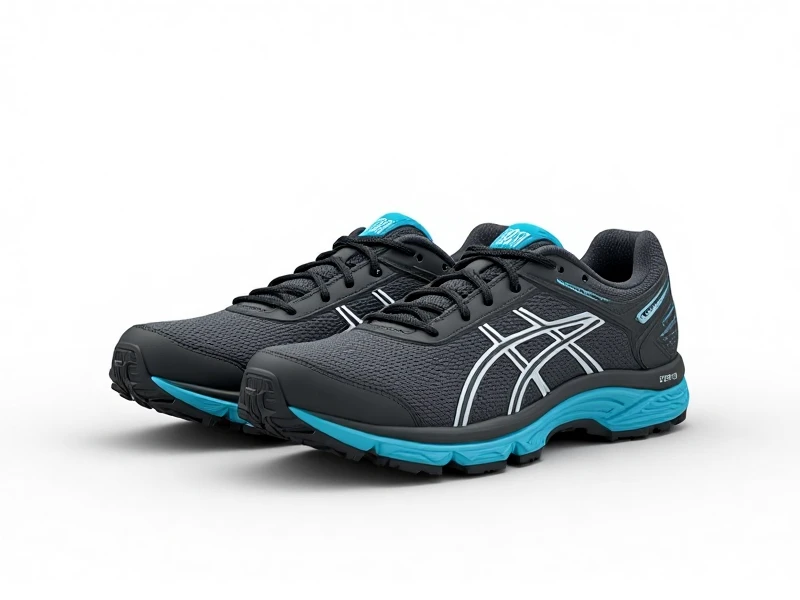
Your Buyer's Guide: Finding The Best Men's Running Shoes
Choosing the right pair of men's running shoes isn't just about style; it's critical for performance, injury prevention, and overall enjoyment. With countless options flooding the market, pinpointing the perfect shoe can feel overwhelming. Focus on these key factors to navigate your search successfully:
-
Know Your Foot & Gait: This is fundamental. Understand your foot type (neutral arch, low arch/flat feet, high arch) and pronation (how your foot rolls inward upon impact). Visiting a specialty running store for a gait analysis provides invaluable insights. Shoes are designed with specific support features:
- Stability/Support Shoes: Ideal for mild to moderate overpronators (feet rolling excessively inward). They offer medial support to correct alignment. Popular brands include Brooks Adrenaline GTS and Asics GT-2000.
- Neutral Cushioned Shoes: Best for runners with neutral pronation or underpronation (supination). They focus on balanced cushioning without corrective elements. Top picks often include Brooks Ghost and Nike Pegasus.
- Motion Control Shoes: Designed for severe overpronators, offering maximum support and rigidity. Models like Brooks Beast/Glycerin GTS fall here.
-
Consider Your Running Terrain: Where do you log most miles?
- Road Running Shoes: Optimized for pavement and hard surfaces. They feature durable outsoles with grippy patterns and ample cushioning to absorb repetitive impact. Lightweight designs are prevalent.
- Trail Running Shoes: Built for off-road adventures. Expect aggressive lugs (deeper treads) for superior traction on mud, rocks, and roots, plus enhanced durability, often rock plates for underfoot protection, and sometimes water-resistant uppers. Salomon Speedcross and Hoka Speedgoat are trail standbys.
-
Prioritize Key Features:
- Cushioning: From minimal to maximal. Your preferred level impacts shock absorption and ride feel. Heel-to-toe drop (the height difference) also affects biomechanics; common drops range from 0mm to 12mm.
- Fit is Paramount: Ensure a snug (not tight) heel hold, ample space (about a thumbnail's width) in front of your longest toe, and comfortable width. Sizes can vary significantly between brands and even models – never rely solely on your usual size. Always try shoes on later in the day when feet are slightly swollen.
- Weight: Lighter shoes (often minimalist or racing styles) can enhance speed but may offer less protection. Heavier shoes typically provide more cushioning and support for longer distances.
- Breathability: Mesh uppers are standard, allowing airflow to keep feet cooler and drier, reducing friction and blister potential.
Don't Skip the Test Run: Walk and, ideally, jog around the store. Pay attention to any pressure points or instability. Reputable stores often have treadmills for this purpose. Check the store's return policy – some allow you to run outdoors and return them if they don't work out.
Recommendations & Brand Notes:
- Brooks: Renowned for consistent fit and excellent cushioning technologies (like DNA LOFT).
- Asics: A leader in stability and gel cushioning systems.
- Saucony: Known for versatile, high-quality daily trainers.
- Nike & Adidas: Offer cutting-edge innovation and a wide range, including popular models like the Pegasus and Ultraboost.
- Hoka: Famous for maximal cushioning and unique meta-rocker geometry.
- New Balance: Excellent for wider widths and durability.
Investing time in finding the right men's running shoes pays massive dividends. The perfect pair becomes a trusty partner, enhancing every stride, protecting your body, and making your runs truly enjoyable. Listen to your body, prioritize fit and function over fleeting trends, and find the shoe that makes you want to lace up and hit the road or trail. A shoe that disappears underfoot, supporting you mile after mile – that’s the ultimate goal. Find your stride today!