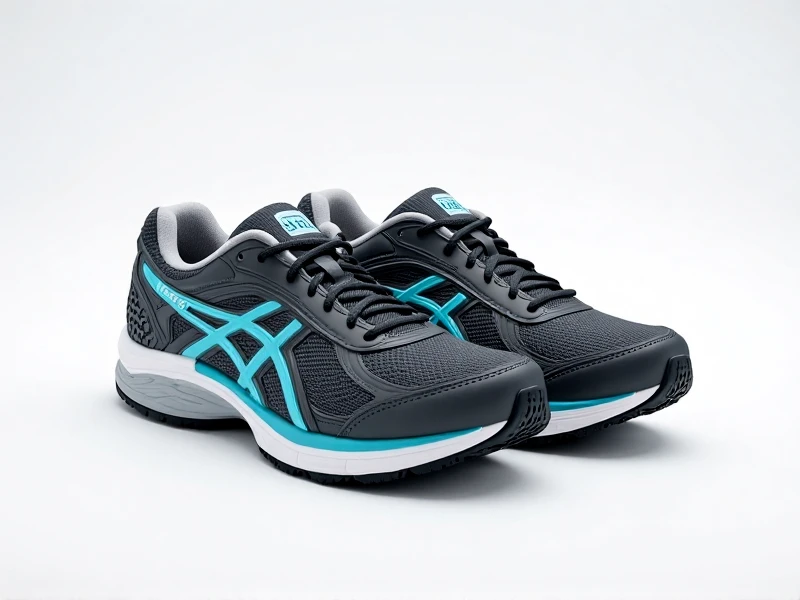
Finding Your Perfect Match: The Ultimate Guide to Men's Running Shoes
Every stride matters. The right pair of men's running shoes isn't just about footwear; it's about unlocking performance, preventing injury, and enhancing your entire running experience. Whether you're pounding miles on the road, navigating rugged trails, or sprinting on the track, selecting the ideal Men's Running Shoes is crucial.
Why Proper Running Shoes Matter Running places unique demands on your feet and body. Your shoes are the primary interface with the ground. Ill-fitting or worn-out men's running shoes can lead to blisters, plantar fasciitis, shin splints, or knee pain. Conversely, shoes designed specifically for running provide essential cushioning to absorb impact, offer stability to control motion, and deliver responsive energy return to propel you forward efficiently. Investing in quality is investing in your running future.
Key Features to Consider
- Cushioning: Found in the midsole, cushioning absorbs shock. Levels vary from maximum plushness for comfort on long runs (great for road runners and heel strikers) to minimal designs offering ground feel and responsiveness (favored by forefoot strikers and lightweight seekers).
- Support/Stability: Evaluate your gait. Overpronators (feet rolling inward excessively) benefit from stability or motion control shoes featuring firmer medial posts. Neutral runners need shoes that don't interfere with their natural stride. Many brands offer online gait analysis tools.
- Fit & Feel: Fit is paramount! Your preferred men's running shoes should feel snug but not tight, with about a thumbnail's width of space at the toes. Ensure the heel is secure without slippage. Consider foot width options. Try shoes on in the afternoon when feet are slightly swollen.
- Drop (Heel-to-Toe Offset): The height difference between heel and forefoot. Traditional shoes often have an 8-12mm drop, promoting a heel-strike. Lower drops (0-6mm) encourage a midfoot/forefoot strike. Choose based on comfort and running style.
- Terrain (Outsole): Road shoes have smooth, durable rubber for pavement. Trail men's running shoes feature aggressive lugs and protective plates for off-road grip and debris protection.
Maintaining Your Men's Running Shoes Even the best shoes wear out. Experts generally recommend replacing your men's running shoes every 300-500 miles. Signs of aging include loss of cushioning, visible midsole creasing, or unevenly worn outsoles. Avoid wearing running shoes for other activities to prolong their life.
Finding Your Best Fit Your perfect pair is deeply personal. Consider your running goals, weekly mileage, preferred terrain, foot shape, and biomechanics. Visiting a dedicated running store for expert fitting advice is invaluable. Explore reputable brands like Brooks, Saucony, ASICS, Nike, New Balance, and Hoka, which all offer a wide range of men's running shoes for every runner.
Ready to boost your run? Invest the time to discover the Men's Running Shoes engineered to match your stride. Lace up and experience the difference dedicated performance footwear makes. Your next personal best awaits!