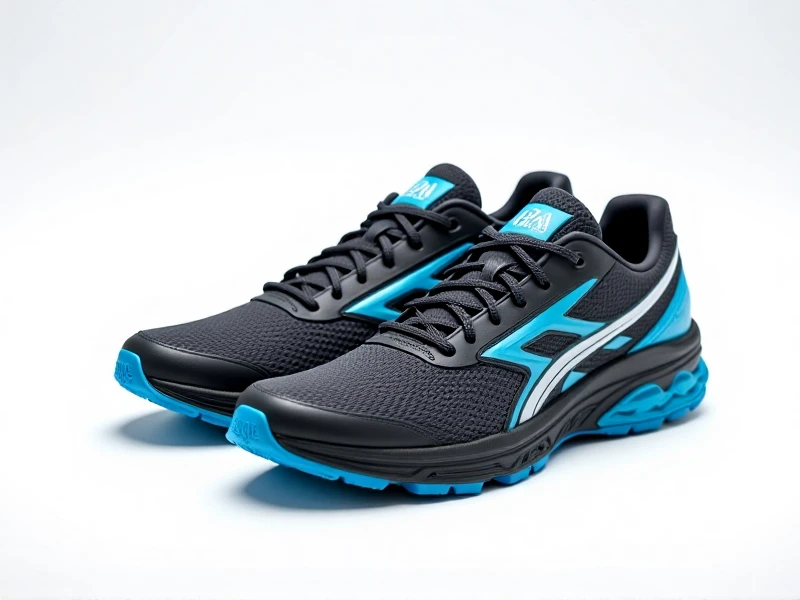
Find Your Perfect Pair: The Ultimate Guide to Men's Running Shoes
Hitting the pavement or trail requires more than just determination; you need the right equipment starting from the ground up. Choosing the perfect pair of men's running shoes is critical for performance, injury prevention, and pure enjoyment. With countless options available, finding your ideal fit can seem daunting. This guide simplifies the search.
Why the Right Fit Matters
Ill-fitting men's running shoes are a recipe for disaster – think blisters, black toenails, or worse, knee and ankle pain. A proper fit feels secure at the heel and midfoot, with about a thumbnail's width of space at the big toe. Your foot expands during running, so ensure ample room without slippage.
Understanding Your Needs: Terrain and Gait
Where you run dictates crucial features:
- Road Running: Focuses on cushioning to absorb impact on hard surfaces. Look for lightweight men's running shoes designed for pavement.
- Trail Running: Prioritizes grip, stability, and protection against rocks/roots. Aggressive tread patterns and reinforced uppers are key.
How your foot strikes the ground (your gait) is equally vital. Do you overpronate (roll inward), supinate (roll outward), or have a neutral stride? Visiting a specialized running store for a gait analysis is highly recommended. They can identify if you need neutral shoes, stability shoes for overpronation control, or motion control for severe pronation.
Key Performance Elements
Modern men's running shoes boast impressive technologies:
- Cushioning: Softer foams (like EVA blends or innovative TPUs) absorb shock for comfort, especially on long runs. Midsole thickness varies greatly.
- Responsiveness: Firmer or energy-return foams propel you forward, feeling springier underfoot, ideal for speedwork.
- Support: Stability features like medial posts guide the foot, preventing excessive inward roll.
- Breathability & Fit: Mesh uppers offer ventilation. The heel counter provides rearfoot security, while the midfoot wrap ensures locked-down support.
Finding Your Match: Top Tips
- Shop Late: Feet swell later in the day, mimicking your running state.
- Bring Your Old Runners: The wear pattern offers clues about your gait mechanics.
- Wear Running Socks: Bring the socks you plan to run in for accurate fit testing.
- Test Thoroughly: Stand up, walk, jog in-store (if possible). Ensure no pinching or slippage.
- Replace Regularly: Most men's running shoes last 300-500 miles. Cushioning breaks down – don't risk injury!
Top Brands & Styles (Example Options)
- For Max Cushioning: HOKA Bondi, ASICS Gel-Nimbus, New Balance Fresh Foam More
- For Stability: Brooks Adrenaline GTS, Saucony Guide, ASICS Gel-Kayano
- For Speed: Nike Air Zoom Pegasus (lighter cushioning), Saucony Endorphin Speed (plate-assisted)
- For Trails: Salomon Speedcross, Brooks Cascadia, HOKA Speedgoat
Conclusion
Investing time in finding the right men's running shoes pays dividends in comfort, reduced injury risk, and improved performance every mile. Understand your terrain, gait, and preferences, try on multiple pairs thoughtfully, and lace up confidently for your next best run. Your feet – and your personal records – will thank you! What are you waiting for? Hit the road!