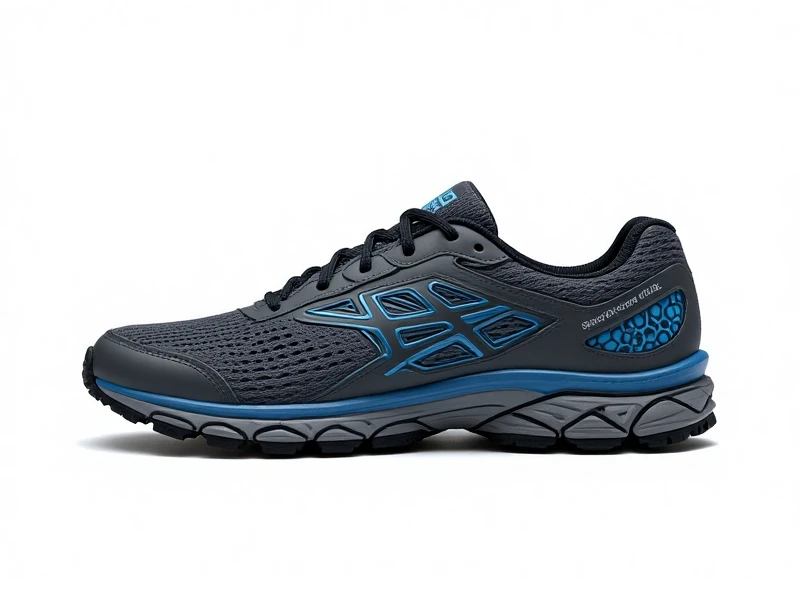
Find Your Best Fit: The Essential Guide to Men's Running Shoes
Here is the SEO article dedicated to Men's Running Shoes:
Every step you take pounding the pavement, trail, or treadmill relies heavily on the foundation beneath your feet: your running shoes. Choosing the right Men's Running Shoes isn't just about style; it's crucial for comfort, injury prevention, and achieving your peak performance. Whether you're a seasoned marathoner or lacing up for your first 5K, understanding the key features of men's running footwear makes all the difference.
Why the Right Pair Matters
Your feet absorb immense force with every stride—up to 2-3 times your body weight. Wearing ill-fitting or inappropriate Men's Running Shoes can lead to common complaints like blisters, shin splints, plantar fasciitis, or knee pain. The right pair performs essential functions: cushioning impact, stabilizing your gait, providing traction, and supporting your unique foot structure and running mechanics.
Understanding the Differences: Road vs. Trail
The terrain dictates design. Road Running Shoes, designed for pavement or treadmills, prioritize lightweight cushioning and responsiveness. Outsoles feature smoother patterns optimized for pushing off hard surfaces. In contrast, Trail Running Shoes boast aggressive lugs for superior grip on dirt, mud, and rocky paths. They offer enhanced stability features, often incorporate rock plates for underfoot protection, and have more durable uppers to withstand the elements. Match your primary running surface to the shoe type.
The Pillar of Performance: Fit & Feel
Forget trying to "break in" Men's Running Shoes. The ideal pair feels comfortable right out of the box. Key fitting points:
- Toe Box: You must have a thumb's width (about 1/2 inch) between your longest toe and the end of the shoe to allow for foot swelling during runs. Wiggle room is essential; cramped toes cause blisters and black nails.
- Heel Hold: Your heel should sit snugly without significant slippage when laced properly.
- Midfoot & Arch: The shoe should cradle your midfoot securely without pinching. Arch support should correspond reasonably with your natural arch (low, medium, or high).
- Always try on shoes later in the day (when feet swell) and wear the socks you run in. Don't hesitate to try multiple sizes and brands – fit varies significantly.
Cushioning & Support Tech Demystified
Modern Men's Running Shoes use advanced foams (like EVA-based compounds, TPU, or Pebax) offering varying levels of cushioning—from plush, maximalist options to firmer, more responsive profiles. Consider your preference and impact levels. Stability features are critical for runners who overpronate (their feet roll excessively inward). Technologies like medial posts (firmer foam), guide rails, or structured heel counters help guide the foot to a more neutral position. Neutral runners can typically opt for standard cushioned models without extra stabilization, though shoes offer inherent support.
Making Your Smart Choice
Beyond fit and terrain, consider:
- Your Gait: Knowing if you overpronate, underpronate (supinate), or have a neutral stride guides stability needs. Visit a specialty running store for an expert analysis.
- Running Style & Distance: Long-distance trainers prioritize cushioning; speedwork or race shoes focus on lightweight responsiveness. Trail dictates ruggedness.
- Budget: Quality Men's Running Shoes are an investment in your comfort and health. Higher prices often reflect advanced materials, technology, and durability.
Invest the time to find Men's Running Shoes engineered to support you. The perfect pair isn't just a shoe—it's your partner on the road to better running, mile after mile. Visit a reputable running specialty store where experts can observe your gait and recommend specific models to try on. Your feet (and your runs) will thank you.